
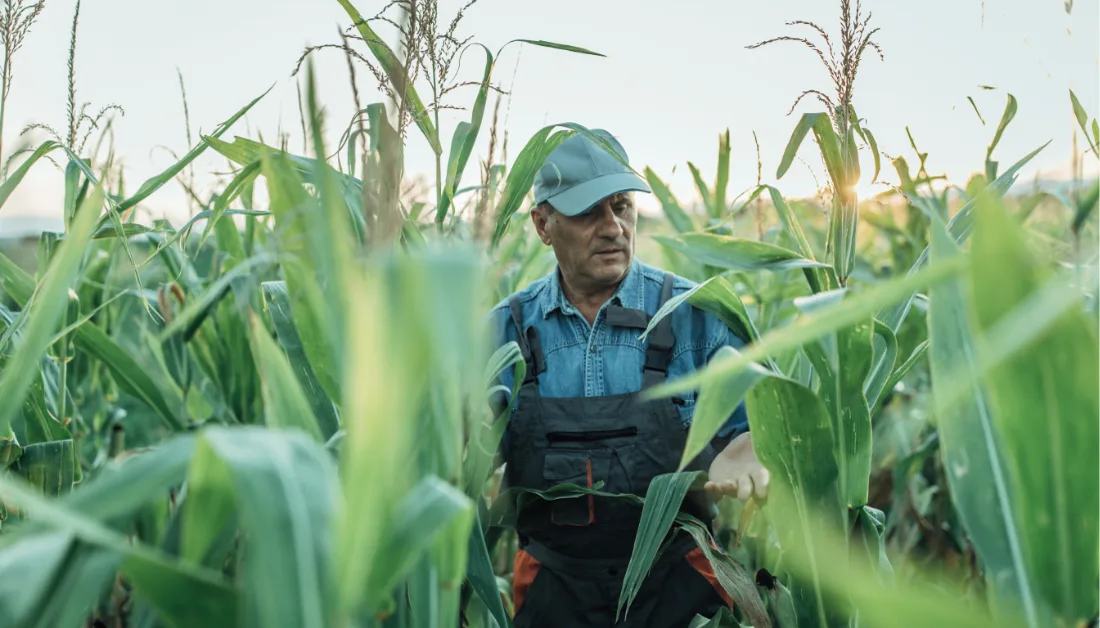
From a Minnesota cornfield to a Delta flight.
Local fuel, and a credible corporate reduction, from the same gallon. One batch of sustainable aviation fuel, followed from the field it grew in to the flights it powered and the two claims it settled.
It starts as a byproduct, not a crop.
Technical Corn Oil is the inedible oil left after corn is processed. The corn itself still goes to animal feed and its other established uses, so nothing here is a food versus fuel trade.
Montana Renewables refines that oil into sustainable aviation fuel by the HEFA pathway, on a supply chain certified to ISCC and RSB and audited externally every year. The fuel is uplifted locally, near Delta Air Lines' Minneapolis hub, which is where the physical gallon is used.
Everything that follows rests on that batch being real, certified and traceable to this place, so the record of it comes first.
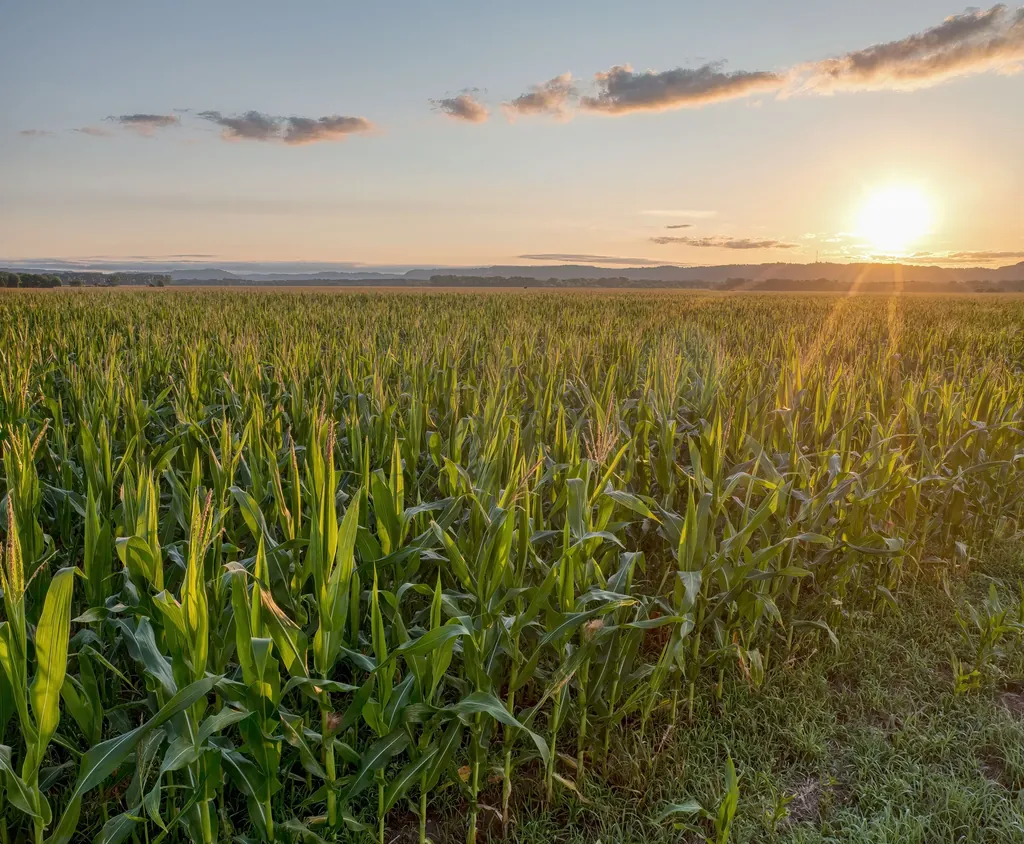
The fuel stays in Minnesota. So does the value.
Because the fuel is made and used in the state, the income from it reaches the growers whose corn it came from, and the production sits on domestic soil rather than arriving in imported barrels.
That is the part of the story a sustainability report rarely shows, and the part a Minnesota farmer sees first.
People hear 'sustainable fuel' and think only about emissions. Stand in a field in Minnesota and it is also about jobs, income and a fuel supply you control. That is the future worth funding: cleaner on a lifecycle basis, and more resilient because it is built closer to home.
The fuel went one way. The reduction went another.
Book and Claim SAF certificates work like renewable energy certificates for electricity. The fuel is used where it is produced, and the certificate carries its verified environmental attributes to the buyer, retired once on a registry.
So the fuel was burned in Minnesota, where it works best, while the reduction went to the organisations that needed it. That is what lets a company put a credible SAF reduction on its footprint before the fuel reaches its own airport. How you report it depends on your target and the standard you report against.
In May 2026, environmental attributes linked to 36 tonnes of sustainable aviation fuel made from Technical Corn Oil, with lifecycle emissions 80.7% below the fossil baseline, were retired on the RSB Book & Claim Registry. Delta Air Lines took the Scope 1 claim, and Future Energy Global used the separately allocated Scope 3 attributes against its calculated 2025 business-travel emissions.
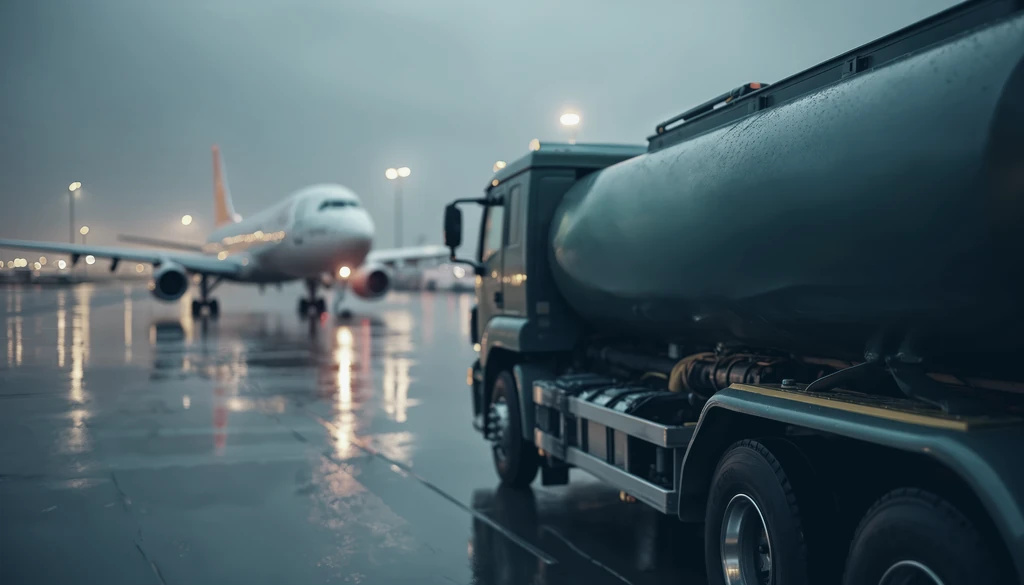
Delta Air Lines
The reduction for its own flight operations.
Future Energy Global
The reduction for its 2025 business travel.
Each claim is recorded on the registry retirement, so the same tonne is never claimed twice across scopes.
Measured across the lifecycle, not at the point of the flight.
Sustainable aviation fuel still emits when it burns. The reduction is counted across the full lifecycle, from feedstock to combustion, against a fossil jet baseline.
The retirement statement for this batch records a lifecycle value of 17.2 gCO2e/MJ against a fossil baseline of 89, which is a reduction of 80.7%. Across the 36.213 tonnes retired, that is 114.178 tonnes of CO2e.
Those are the statement's own figures, not ours, and the statement is what an auditor reads.
SAF certificates, not offsets.
The reduction is created inside aviation's own value chain and reported as a Scope 3 reduction, which is why this is insetting rather than offsetting. Each certificate is retired once on an independent registry, and the chain behind it is audited externally, so the claim is made once and can be checked by anyone who asks.
Dual RSB and ISCC certified, with both certificates audited by independent third parties every year.
The SBTi Corporate Net-Zero Standard v2 permits commodity certificates that use a Book and Claim chain of custody, subject to its integrity criteria. Version 1 stays open for target setting to the end of 2027, and the next cycle moves to version 2 from 2028.
Retired on the RSB Book & Claim Registry under a statement that names the fuel, the lifecycle reduction and the holder of each claim.
 RSBCertified trader
 ISCCCertified trader
 IATAStrategic Partner
 TIACAStart-Up Member
Scaling sustainable fuel takes investment, and investment moves only toward a market it can trust. That trust is what Future Energy Global exists to provide: we follow the fuel from the field it grew in to the flight it powers, and we put our name to every reduction we sell.
Start with a first transaction sized to your travel footprint.
Insetting and offsetting, explained →Read the June 2026 announcement →